
-
All prices are in USDChange
Change Currency


Blog - Myth-Buster
Myth: You Can Sheet Dough Just as Fast by Hand
Posted by American Eagle Food Machinery on Oct 15th 2026
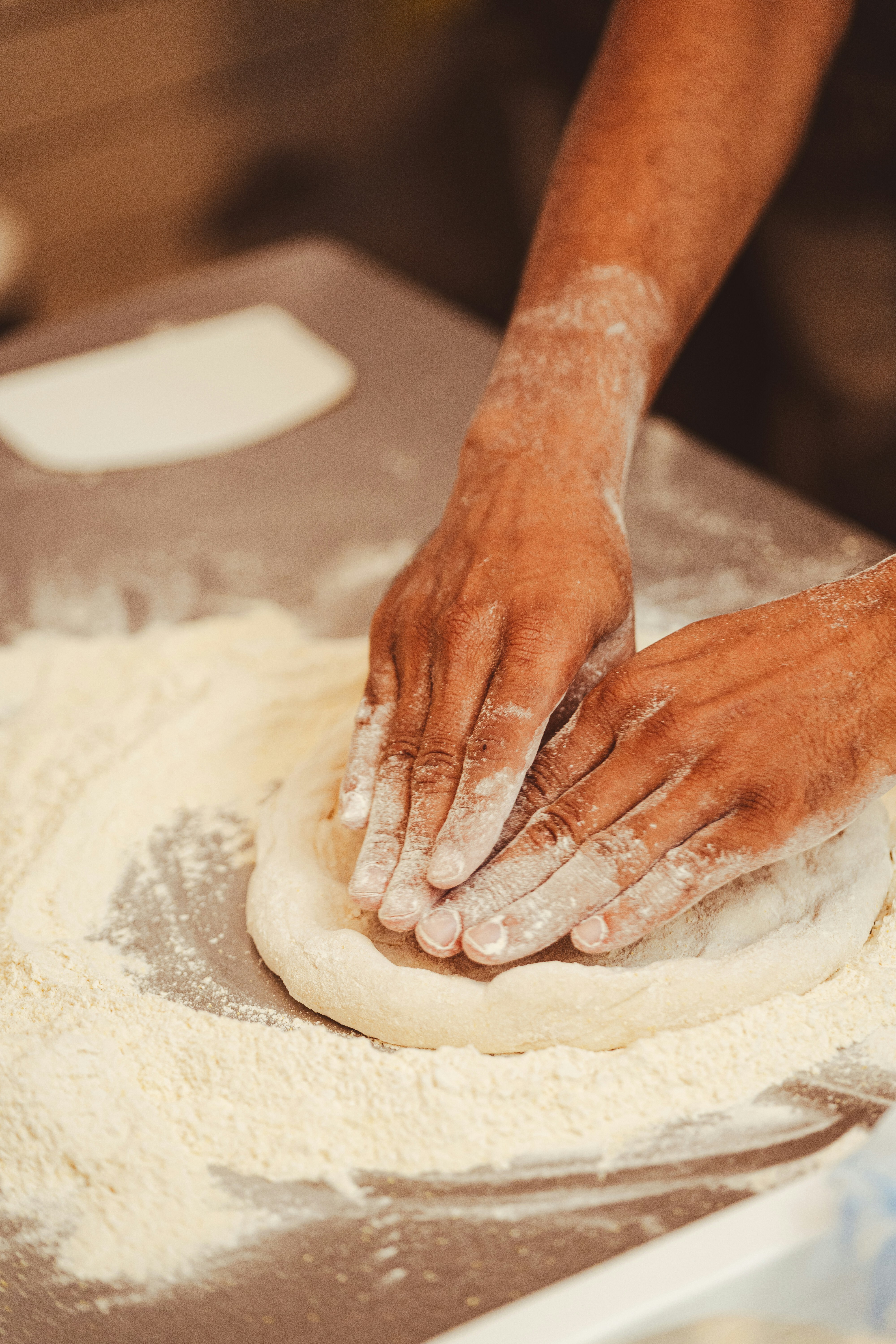
Photo by Aldward Castillo on Unsplash
A skilled baker with a good rolling pin is fast. That is why this myth survives: watch practiced hands roll out one batch of croissant dough and it looks like a machine could not add much.
The trouble is that a bakery does not run on one batch.
Hand speed fades. Volume doesn't.
The first sheet of the morning is the fastest one you will roll all day. By the tenth, arms are tired, passes get shorter, and thickness starts to drift.
Laminated dough makes it worse. Every fold means another full roll-out, and the butter is warming the whole time. Uneven sheets then cost you again at the oven, with thin edges that overbake and thick centers that don't bake through.
What a sheeter actually changes
A dough sheeter does not get tired. You set the roller gap, feed the dough, and get the same thickness on the last pass as on the first. Our AE-DS650B-SS, for example, handles 15 lb batches and adjusts from 1mm to 50mm, so one machine covers thin pizza and pastry sheets as well as thicker doughs.
The bigger win is labor. Sheeting stops being a job for your most experienced hands and becomes one a newer team member can run. That frees your best baker for shaping, finishing, and the work that needs judgment.
Run the test yourself
Hand rolling still makes sense if you sheet a few pieces a day. If you are not sure where you stand, measure it: for one week, track how long your team spends rolling dough and how many pieces get reworked or tossed for uneven thickness.
If that number surprises you, take a look at the American Eagle dough sheeter line. Our team can help you match a machine to your batch size and your bench space.